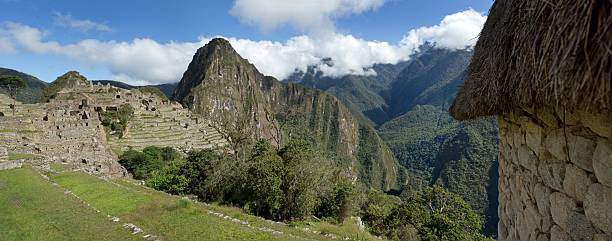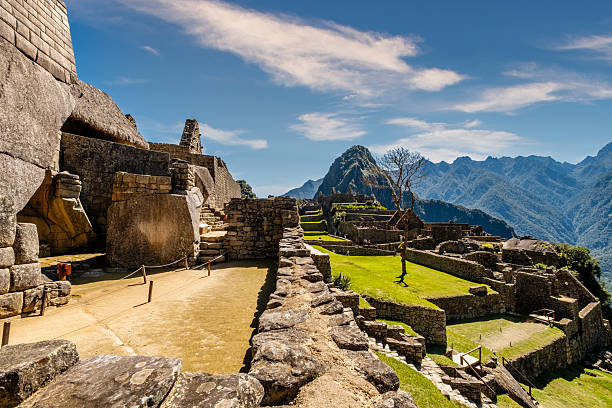

High in the cloud forests of the Andes, Machu Picchu stands as one of the most extraordinary achievements of the Inca world. More than a scenic archaeological site, it was a powerful expression of imperial authority, sacred geography, and sophisticated engineering. Understanding its historical context reveals why this mountaintop sanctuary remains one of the most meaningful destinations in South America.
The Rise of the Inca Empire
In the 15th century, the Inca transformed from a small Andean kingdom into the largest empire in pre-Columbian America. From their capital in Cusco, they expanded across vast territories that today include Peru, Ecuador, Bolivia, Chile, Argentina, and Colombia.
The emperor most closely associated with Machu Picchu is Pachacuti, who ruled during a period of dramatic expansion. Under his leadership, the empire—known as Tawantinsuyu—developed advanced administrative systems, monumental architecture, and a powerful state religion centered on the worship of the sun god Inti.
Machu Picchu is widely believed to have been constructed as a royal estate for Pachacuti, symbolizing both his political authority and spiritual connection to the Andean cosmos.
Sacred Geography and Spiritual Meaning
For the Inca, landscape was sacred. Mountains (apus), rivers, and celestial alignments were deeply intertwined with religious beliefs. Machu Picchu was carefully positioned between the peaks of Huayna Picchu and Machu Picchu Mountain, overlooking a dramatic bend in the Urubamba River. This location was not accidental—it reinforced the site’s spiritual and cosmological importance.
The architecture reflects astronomical precision. Structures such as the Temple of the Sun and the Intihuatana stone were aligned with solstices and celestial events. These alignments connected imperial power to divine order, reinforcing the emperor’s sacred role as the “Son of the Sun.”
The surrounding valleys, now known as the Sacred Valley of the Incas, were central to agriculture and ritual life. Terraces at Machu Picchu were both practical and symbolic, demonstrating mastery over nature while honoring the earth goddess, Pachamama.
Political Strategy and Isolation
Machu Picchu’s remote location also served a strategic purpose. Hidden among steep ridges and accessible only by narrow trails, the site was protected from invasion. Interestingly, it was never discovered by the Spanish conquistadors during their campaign against the Inca in the 16th century.
After the fall of the empire, the site was gradually abandoned and reclaimed by vegetation until it was brought to international attention in 1911 by Hiram Bingham.
Architecture as Imperial Statement
The precision stonework of Machu Picchu reflects the height of Inca engineering. Massive stones were cut and fitted together without mortar, built to withstand earthquakes. Urban planning divided the city into agricultural, residential, and ceremonial zones—demonstrating both functionality and symbolic hierarchy.
Every wall, terrace, and temple reinforced a single message: the Inca ruler commanded not only people, but also landscape and cosmos.
Experience the Legacy
Today, Machu Picchu remains a testament to the vision and ambition of the Inca civilization. Walking its terraces and temples offers more than a glimpse into the past—it provides a profound connection to a culture that understood power as both earthly and sacred.
If you are ready to explore the historical depth and breathtaking beauty of this world wonder, we invite you to plan your journey with us. Visit https://peruways.com to discover curated experiences and book your unforgettable adventure to Machu Picchu and beyond.