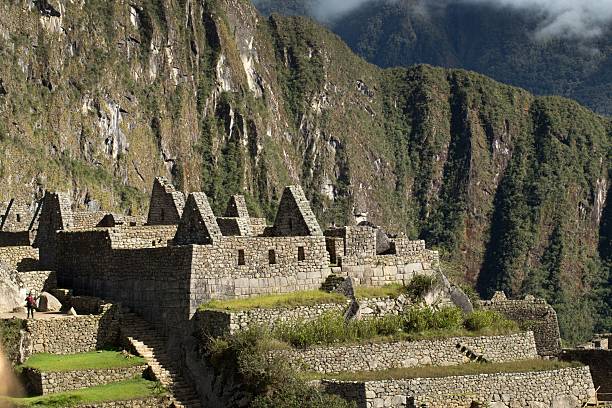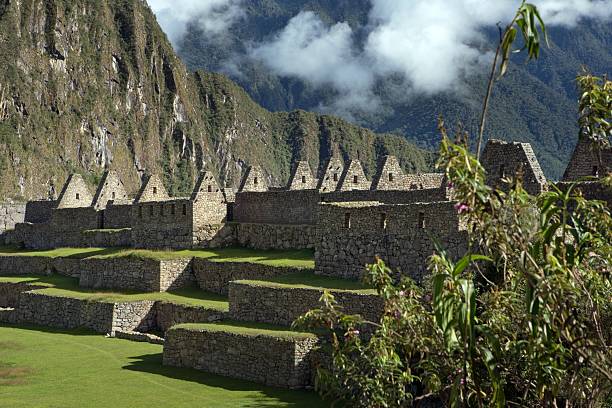
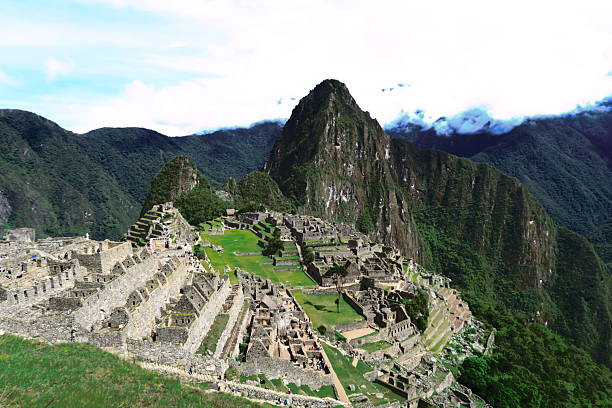
Perched high in the Andes above the Urubamba River, Machu Picchu stands as one of the most iconic archaeological sites in the world — a breathtaking testament to the ingenuity, spirituality, and social complexity of the Inca Empire. Yet, despite its fame, scholars continue to debate a central question: what was Machu Picchu really for? Was it simply a royal retreat, or did its purpose encompass a deeper ceremonial and cultural significance?
The Royal Estate Hypothesis
The most widely accepted interpretation among archaeologists is that Machu Picchu was originally built in the mid-15th century as a royal estate for Pachacuti, the powerful Inca emperor who presided over an unprecedented expansion of the empire. This theory draws on historical texts and architectural comparisons with other known royal estates like Pisac and Ollantaytambo. These estates served as seasonal residences where Inca rulers and their panaca (dynastic lineage groups) would entertain guests, manage agricultural production, and perform state rituals tied to political power.
Recent radiocarbon studies support a construction timeline around AD 1435–1495, aligning with Pachacuti’s reign and early Inca imperial consolidation. This chronology strengthens the case that Machu Picchu was not a forgotten city of the past, but rather a purposefully planned elite residence — a reflection of state resources and Inca mobility across the Andean highlands.
Beyond a Luxury Retreat
However, modern archaeological perspectives emphasize that royal estate doesn’t capture the full complexity of the site. While elite residences were central to Inca political life, Machu Picchu’s urban layout, astronomical alignments, and sacred geography suggest deeper layers of meaning woven into its stone walls.
For example, several structures within Machu Picchu align with celestial events such as solstices and equinoxes, hinting at its use as an astronomical observatory and space for ritual observation of the sun — the primary deity in Inca cosmology. These alignments were not incidental: they anchored the empire’s agricultural calendar and religious ceremonies within the rhythms of nature.
The surrounding mountains (apus) were considered powerful spirits and protectors, and the site’s placement between towering peaks and the sacred river valley reflects an Inca worldview that integrates built space with landscape as part of spiritual practice. Archaeologists note that such a setting could elevate Machu Picchu beyond a simple “palace” to a sacred centre where political power and religious beliefs converged.
Evidence from Daily Life
Excavations at Machu Picchu have uncovered residential sectors, agricultural terraces, and workshops that paint a picture of a multifaceted community. Terraces and water systems reveal sophisticated engineering designed to manage the Andean climate and support year-round agriculture, signifying more than occasional royal visits — they indicate sustained, planned habitation.
Isotopic analyses of human remains suggest that the site’s inhabitants likely came from diverse regions and social strata, implying a workforce assembled by state authority rather than a single localized village community. This fits with models of Inca royal estates staffed by mitma (relocated laborers), yanacona retainers, and other state personnel.
A Site of Multiple Meanings
Today, scholars increasingly view Machu Picchu as both a royal retreat and a ceremonial complex — a space where political authority, cosmological order, and social organisation intersected. No single interpretation fully explains its existence, but the archaeological evidence underscores an empire that thoughtfully combined power, spirituality, and landscape in ways that continue to captivate researchers and visitors alike.