The Inca civilization, flourishing in the Andean region of South America, was deeply connected to its natural surroundings, including the diverse array of animals that inhabited the mountains, valleys, and plateaus. Animals held profound cultural, spiritual, and practical significance in Inca society, shaping their daily lives, religious practices, and even their understanding of the cosmos. Let’s explore the Inca animal connection and the role these creatures played in the fabric of Andean civilization.
1. Llamas and Alpacas: Cornerstones of Andean Husbandry:
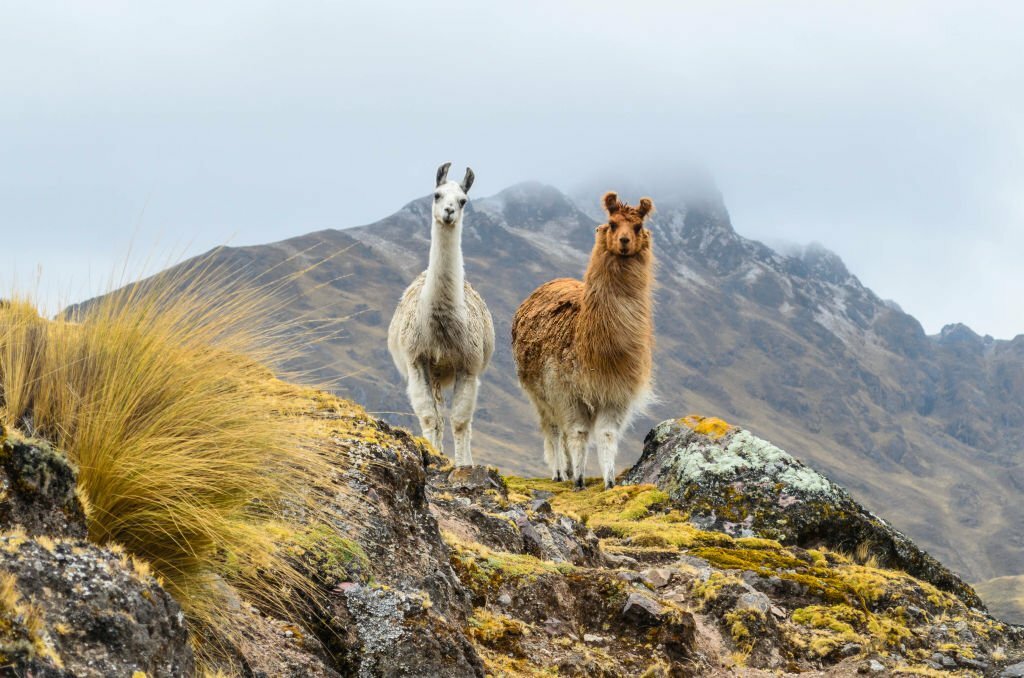
Among the most iconic and indispensable animals in Inca culture were llamas and alpacas. Bred for their wool, meat, and ability to carry heavy loads, llamas and alpacas served as the backbone of Andean husbandry. These camelids were not only practical resources for the Inca people but also held spiritual significance, symbolizing fertility and abundance.
2. Spiritual Guardians: Condors and Eagles:
Condors and eagles were revered by the Inca as powerful spiritual symbols. Believed to be messengers between the earthly realm and the divine, these majestic birds were associated with the upper world, or Hanan Pacha, in Inca cosmology. The sighting of a condor in the sky was considered a divine omen and held deep spiritual meaning for the Inca.
3. Pumas: Symbols of Strength and Royalty:
The puma, with its strength and agility, was a symbol of royal authority and prowess. Representing the middle world, or Kay Pacha, in Inca cosmology, the puma was often associated with the earthly realm. The Inca elite used puma imagery in their art, textiles, and architecture to convey strength and leadership.
4. Domesticated Guinea Pigs: Cuy as Culinary Staples:
While guinea pigs, or cuy, were not domesticated for their labor or wool, they played a significant role in the Inca diet. Considered a delicacy, cuy was raised for consumption during ceremonial feasts and special occasions. The consumption of guinea pigs had ritualistic and symbolic undertones, reflecting the Inca’s deep connection with the animals they raised.
5. Foxes and Deer: Wild Companions of the Andes:
In addition to domesticated animals, the Inca also shared their environment with wild creatures like foxes and deer. These animals were featured in Inca mythology and were likely revered for their ability to navigate the challenging landscapes of the Andes. The inclusion of these creatures in Inca art and stories reflected the civilization’s appreciation for the diversity of the natural world.
6. Inca Animal Symbolism in Art and Textiles:
Animals held a prominent place in Inca art and textiles, serving as symbolic representations of cosmic forces and societal values. Elaborate tapestries, pottery, and metalwork depicted animals in intricate detail, each carrying layers of meaning that conveyed the interconnectedness of the Inca worldview.
7. Ritual Sacrifice and Animals:
Ritual sacrifice was a significant aspect of Inca religious practices, and animals played a central role in these ceremonies. Llamas, guinea pigs, and other animals were offered to the gods as part of religious rituals, symbolizing the reciprocity between the human and divine realms.
8. Conservation and Spiritual Ecology:
The Inca’s reverence for animals extended beyond their utilitarian and symbolic roles to include a form of spiritual ecology. The civilization practiced conservation measures, recognizing the interconnectedness of all living beings and their roles within the cosmic order.
9. Modern Reverberations:
Today, the spirit of the Inca animal connection continues to echo through the Andean region. Llamas and alpacas still roam the high-altitude landscapes, condors soar above the mountains, and the cultural significance of these animals remains embedded in the traditions and practices of indigenous communities.
In conclusion, the Inca animal connection was woven into the fabric of Andean civilization, influencing everything from daily life to spiritual beliefs. Whether serving as practical resources, symbols of spiritual significance, or participants in ritual ceremonies, animals held a central place in the hearts and minds of the Inca people, creating a rich tapestry that reflected their deep connection with the natural world.
Book your ticket here.