As one of the most celebrated archaeological sites in the world, Machu Picchu draws adventurers, history enthusiasts, and spiritual seekers alike. The journey to this ancient Inca citadel begins with a symbolic and memorable entrance, setting the stage for the exploration of a site steeped in history, mystery, and impressive beauty.
1. The Gateway to Wonder:
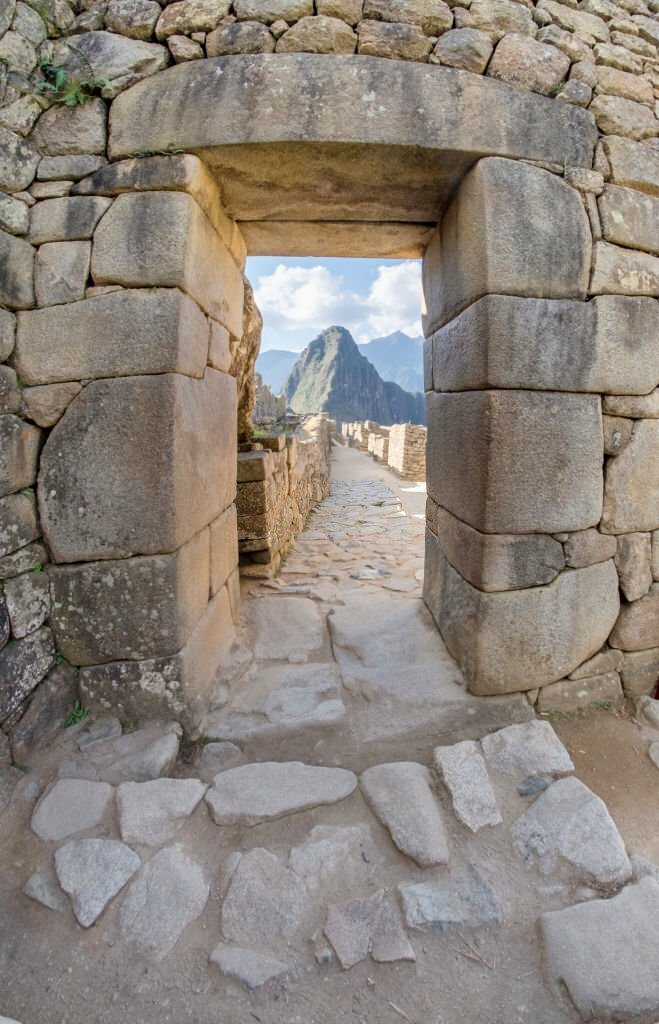
The entrance to Machu Picchu serves as the threshold to an extraordinary adventure. As visitors approach the site, they are greeted by the first glimpse of the imposing terraces, stone structures, and the towering peaks of the Andes. The entrance not only marks the physical beginning of the journey but also symbolizes the transition from the ordinary to the extraordinary.
2. Arrival at Aguas Calientes:
The journey to Machu Picchu typically begins in the town of Aguas Calientes, set in the lush Urubamba Valley. Travelers can reach Aguas Calientes by train or on foot, with the town serving as the gateway to Machu Picchu. From Aguas Calientes, visitors take the final leg of their journey, ascending the mountainside to reach the entrance of the ancient citadel.
3. Bus or Hike: Two Paths to the Entrance:
Travelers have the option of reaching the entrance by bus or by hiking along the well-known Inca Trail. The bus journey takes visitors on a winding road through the cloud forest, providing glimpses of the surrounding landscape. Alternatively, the Inca Trail offers a more immersive and physically challenging approach, allowing hikers to follow the footsteps of the ancient Inca pilgrims.
4. The Inca Trail: A Pilgrimage to Remember:
For those who choose to hike, the Inca Trail becomes a pilgrimage rich in history and natural beauty. Along the way, hikers encounter ancient ruins, striking vistas, and diverse ecosystems. The anticipation builds with each step, culminating in the arrival at the Sun Gate (Inti Punku), where the first panoramic view of Machu Picchu unfolds, creating a moment of sheer awe and wonder.
5. Entry Protocols and Ticketing:
Upon reaching the entrance, visitors encounter entry protocols designed to ensure a sustainable and respectful experience. Ticketing procedures, guided tours, and adherence to designated pathways contribute to the preservation of Machu Picchu and its delicate archaeological heritage. These measures reflect a commitment to responsible tourism and the conservation of this UNESCO World Heritage Site.
6. The Citadel Revealed:
Passing through the entrance, visitors step into central Machu Picchu, where the ancient citadel reveals its enigmatic beauty. The meticulously crafted stone structures, the Temple of the Sun, the Intihuatana stone, and the terraced agricultural areas come into view. The juxtaposition of the natural landscape with the architectural marvels creates a sense of wonder that transcends time.
7. Intihuatana: The Hitching Post of the Sun:
A prominent feature near the entrance is the Intihuatana stone, often referred to as the “Hitching Post of the Sun.” This sacred ritual stone played a crucial role in Inca astronomy and spirituality. Visitors can marvel at the precision of its carving and the significance it held in the Inca’s understanding of the celestial forces.
8. Sunrise at Machu Picchu: A Magical Moment:
For those fortunate enough to experience the sunrise at Machu Picchu, the entrance becomes a portal to a magical moment. As the sun bathes the ancient stones in golden hues, the mist gradually lifts, revealing the citadel in all its splendor. This ephemeral spectacle creates a profound connection between the visitor and the ancient Inca civilization.
The entrance to Machu Picchu is more than a physical gateway; it is a portal to a world of wonder, history, and natural beauty. Whether arriving by bus or hiking the Inca Trail, the journey to the entrance sets the stage for a standout exploration of a site that continues to captivate the hearts and minds of those who seek the marvels of the Inca civilization.
Book here.